Bypass Surgery
9 min read
Is Bypass Surgery Open Heart Surgery? The Difference, Explained by a Cardiac Surgeon
READ MORE

A comprehensive guide on what to expect during your recovery from Coronary Artery Bypass Surgery (CABG), from the hospital stay to returning to normal life.
By Dr. Amjad Shaikh, M.Ch (CVTS)
Cardiovascular & Thoracic SurgeonLast reviewed 15 October 2026How we create our content
Hearing that you or a loved one needs Coronary Artery Bypass Grafting (CABG) - commonly known as heart bypass surgery - can stir up a lot of emotion for the patient and the whole family. It is entirely normal to feel anxious, confused, or uncertain about what life will look like after the operation.
This guide breaks the recovery process down into simple, clear steps. It is written for patients and families who are preparing for a consultation or heading home from the hospital. Understanding what happens day by day can help you feel more in control of your healing journey.
While the surgery itself is a major milestone, your path to a healthier heart continues during recovery at home. Everyone heals at their own pace, and having a clear roadmap makes the journey much smoother.
The operation is one day; the recovery is the real journey. I tell every patient that protecting the breastbone in the first six weeks is just as important as the surgery itself.
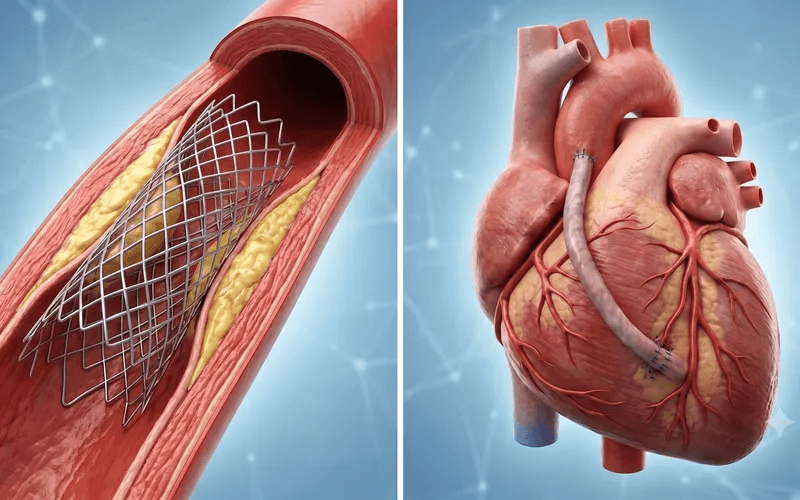
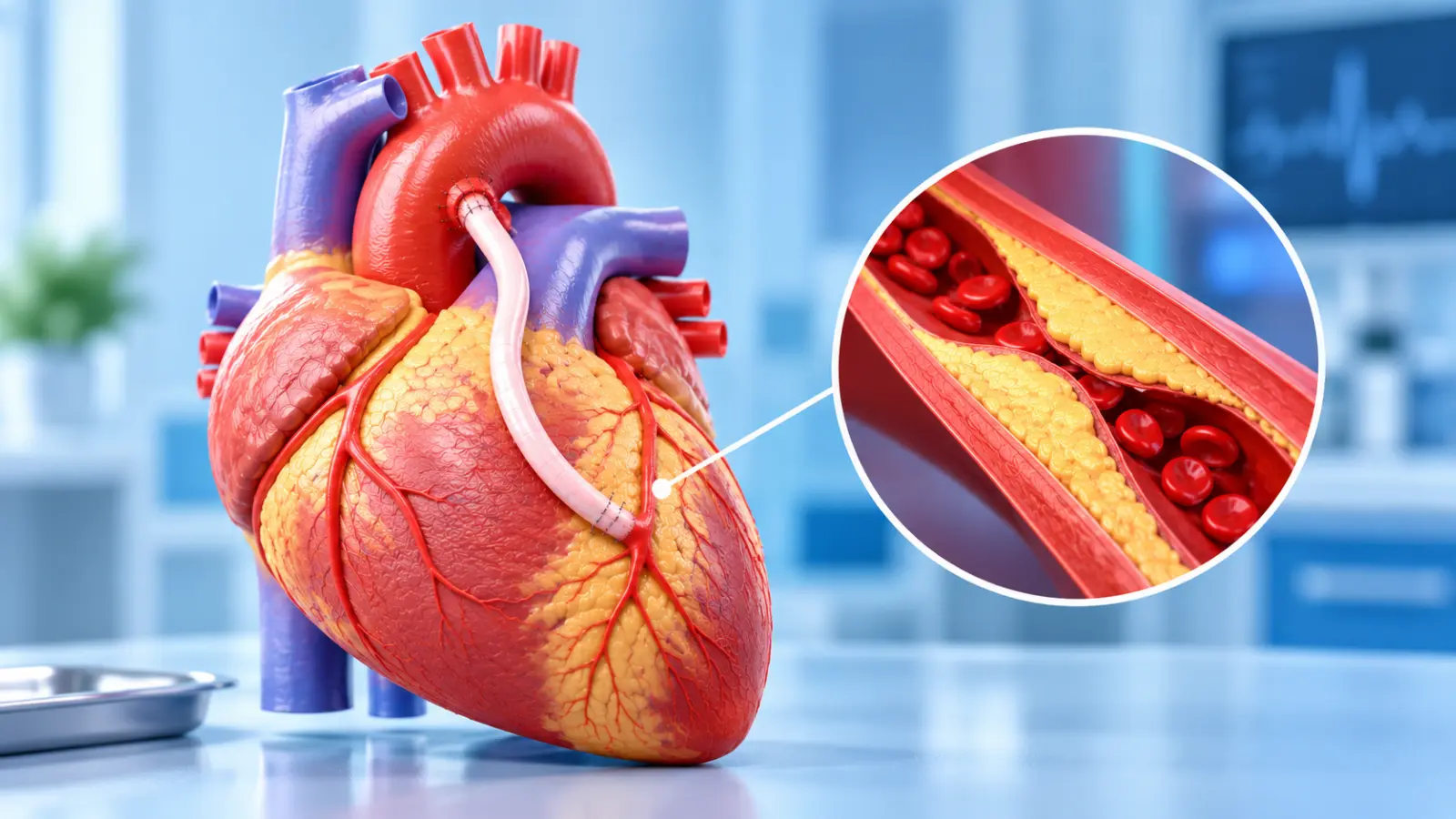
During bypass surgery, the surgeon uses a healthy blood vessel taken from another part of your body - such as the chest wall, leg, or arm - to create a new route around a blocked artery in your heart, restoring healthy blood flow to the heart muscle.
To perform this, the surgeon usually makes an incision down the front of the chest and carefully divides the breastbone (a sternotomy). Because bone takes time to mend, a significant part of your early recovery is about letting your chest heal safely. In the hospital, most patients are taken off the ventilator once they are awake and medically stable, often on the day of surgery or the next day, start oral feeds when swallowing is safe, begin walking and light physiotherapy within the first two to three days, move to a normal ward around day two to three, and are discharged around day six or seven.
How quickly you bounce back depends heavily on your unique health profile. Your age, overall heart function, whether you have diabetes, and how well your kidneys work all play a major role in your recovery timeline - no two healing journeys are exactly the same.
Recovery moves through a few main phases, from the closely monitored hospital environment back to your comfortable routine at home in Mumbai. Here it is at a glance:
| Phase | Timing | What to expect |
|---|---|---|
| In hospital | Days 1-7 | Off ventilator often on the day of surgery or the next; first walk and light physio within the first 2-3 days; ward around day 2-3; discharge around day 6-7. |
| Settling in at home | Weeks 1-2 | Rest and very light activity; short, frequent walks; help needed with chores and lifting. |
| Building strength | Weeks 3-6 | Energy improves; longer daily walks; breastbone healing - report any clicking to your team. |
| Returning to routine | Weeks 6-12 | Breastbone largely mended; many begin supervised cardiac rehab; gradual return to normal life. |
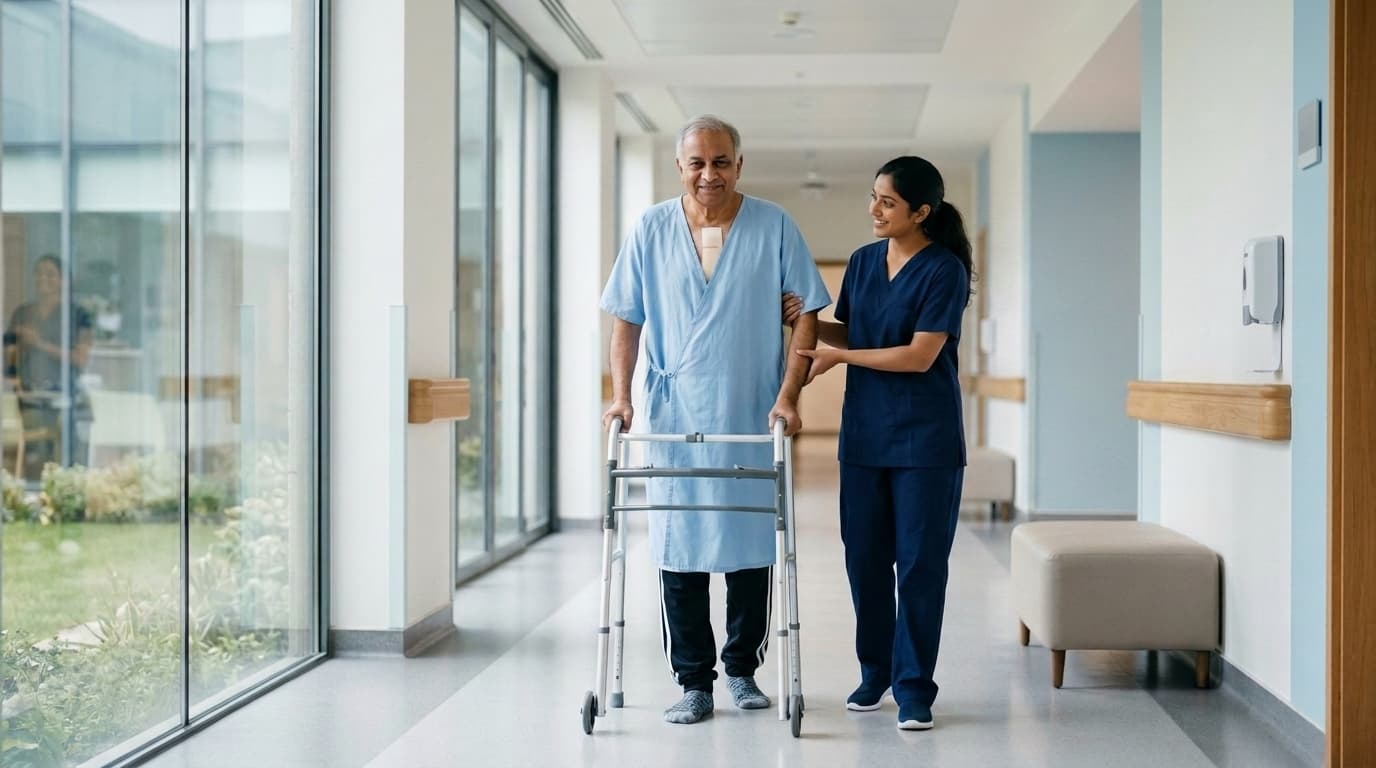
Immediately after surgery you will spend 1 to 2 days in the Intensive Care Unit (ICU) before moving to a standard cardiac ward. During this time, physiotherapists help you sit up, breathe deeply, and take your very first steps down the hallway.
Once home, your main focus is rest and very light activity. You will need help with daily chores, cooking, and lifting. Keep your activity gentle but consistent - walk around your living room or a flat terrace for a few minutes at a time, several times a day.
By now your energy will begin to improve, and you can gradually lengthen your daily walks. Some patients notice a minor "clicking" or "shifting" sensation in the chest when they move or breathe deeply. A small amount of settling can be normal as the sternal wires hold the bone securely, but always mention it to your surgical team so they can check your progress.
Around the 6-to-12-week mark, your breastbone is typically well on its way to being fully mended. Many patients are cleared to begin a structured cardiac rehabilitation programme - a safe, supervised exercise plan designed to strengthen your heart.
Walking is the best medicine after bypass. I'd rather see a patient take ten short walks a day than one long one - gentle, frequent movement is what rebuilds the heart safely.
The timeline above gives the broad phases. This table lists the milestones most patients ask about, so you can see roughly when each one is expected after open bypass surgery. Your own timeline depends on your health and heart function, and your surgeon will confirm it.
| Phase | When | What to expect |
|---|---|---|
| In hospital | Day 0 to about day 6-7 | Intensive care for 1-2 days. The breathing tube is removed once you are awake and medically stable, often on the day of surgery or the next day, and oral feeding starts when swallowing is safe. First walk with the physiotherapist within the first 2-3 days. Moved to the ward around day 2-3. Chest drains are usually removed after 1-2 days. |
| First check-up | Within about 7-14 days of discharge | First follow-up visit with the surgical team to check your wounds and recovery. |
| Early recovery at home | Discharge to about week 2-3 | Rest and very light activity, with short, frequent walks. Everyday chores and light activities resume gradually, often after about 2-3 weeks. Avoid heavier lifting, pushing or pulling until your surgical team clears you. |
| Protecting the breastbone | At least the first 6-8 weeks | No lifting above about 5 kg for the first 6 weeks. Chest support belt worn for about 6 weeks (around 45 days), or as long as your surgical team advises. Healing continues over 8-12 weeks, so ease off precautions only when your surgeon says so. |
| Driving | After 4-6 weeks | Only once your surgeon clears you and you can safely control the vehicle. |
| Return to work | Desk work after about 4-6 weeks. Physically demanding work after around 8 weeks or longer | Depends on your job and your health. Always discuss with your surgeon before resuming any new heavy activities after surgery. |
| Cardiac rehabilitation | Around weeks 6-12 | A supervised exercise programme designed to strengthen your heart, started when your team clears you. |
| Strenuous exercise | After 3-6 months | Only on your surgeon's clearance. |
“Full recovery” after open bypass surgery usually means a gradual return to ordinary daily function and stamina, often over about 6-12 weeks. It does not mean the breastbone is fully healed, or that heavy lifting and strenuous exercise are allowed; those need separate clearance and may take 3-6 months.
If your operation is done through smaller incisions without dividing the breastbone (minimally invasive bypass), recovery is usually quicker: a hospital stay of about 2 to 4 days, routine activities, including driving and going out, within about 15 days, and desk work after about 2 to 3 weeks.
For a shorter summary, see the recovery section of our Coronary Artery Bypass Surgery (CABG) page.
Managing your daily movements is vital for protecting your healing chest bone. Use the table below to understand what is safe and what to avoid during the first month at home.
A little clicking in the chest can worry patients, but it's often just the bone settling. What matters is telling us about it - never guess, and never take advice on your heart from non-medical sources.
Patients are usually advised not to drive for a period after open-heart surgery. The breastbone is still healing, and sudden movements or sharp braking can strain the chest. Driving is generally restarted after about 4 to 6 weeks, and only once the surgeon confirms that it is safe.
When you can go back to work depends on your overall health, how well your heart is working and what your job involves.
Always discuss with your surgeon before resuming any new heavy activities after surgery. Ask what is realistic for your own job, and whether a gradual return would suit you.
Choose a heart-healthy pattern with vegetables, fruit, whole grains, pulses and beans, nuts and other suitable lean proteins. Prefer unsaturated oils, and limit excess salt, added sugar, fried and ultra-processed foods, and foods high in saturated or trans fats.
Patients with diabetes should follow an individualised meal and glucose-management plan. Fluids should not be restricted or increased across the board; follow your treating team's advice, especially if you have heart failure or kidney disease.
Contact your surgical clinic, or go to the nearest emergency department, if you have:
Sudden chest pain, severe breathlessness, fainting, or signs of a stroke (new weakness on one side of the body, or difficulty speaking) need emergency care straight away.
A mild clicking or shifting feeling in the chest can occur as the breastbone settles. Mention it at your follow-up so that your team can check it.
When you visit for follow-up in Mumbai, it helps to bring a written list of questions. A few practical ones:
Is it normal to feel a clicking sensation in my chest after surgery? Some patients notice minor shifting or clicking in the breastbone during the first few weeks when changing positions - often just the bone edges settling against the surgical wires. It should always be checked by your surgeon at follow-up to confirm the bone is healing firmly.
How long before I can drive? Avoid driving for at least 4 to 6 weeks, and only once your surgeon clears you. Driving involves sudden upper-body movements and risks chest impact against the wheel if you have to brake sharply.
Why is walking emphasised so much after a heart operation? Walking expands your lungs, helps prevent blood clots in the legs, improves circulation, and gently rebuilds endurance - all without straining the healing heart.
Does my recovery timeline change if I have diabetes? Yes. With diabetes, high blood pressure, or reduced kidney function, tissues may take a little longer to heal. Keeping blood sugar well controlled under medical supervision is critical for smooth wound healing.
When can I return to work? It depends on your overall health, heart function, and your job. Desk-based workers can often return within 4 to 6 weeks, while those with physically demanding jobs may need around 8 weeks or longer. Always discuss with your surgeon before resuming any new heavy activities after surgery.
Healing is gradual. Returning to ordinary daily function and stamina usually takes about 6 to 12 weeks, depending on your baseline health, age, and conditions like diabetes or kidney function. Strenuous exercise and heavy lifting need separate clearance and may take 3 to 6 months.
Movement is medicine. Gentle, regular walking is one of the most important things you can do to rebuild strength and protect your lungs.
Listen to your body. Minor sensations like slight chest clicking can occur as the breastbone heals - track your symptoms and stay in touch with your surgical team.
Trust medical advice. Always take guidance on bypass surgery from your doctor, never from non-medical sources.
If you or a family member has been advised bypass surgery, consult Dr. Amjad Shaikh, Cardiovascular & Thoracic Surgeon in Mumbai, for a detailed review of your angiography, echocardiogram, symptoms, and overall health before deciding the next step. You can also read the full procedure guide on our Coronary Artery Bypass Surgery (CABG) page.
Medical disclaimer: This article is for patient education only and should never replace direct medical advice, diagnosis, or treatment from a qualified healthcare professional. Every patient's medical history, heart function, and recovery capacity are unique. Decisions about surgery, lifestyle changes, and post-operative care must be made in consultation with your specialist doctor.
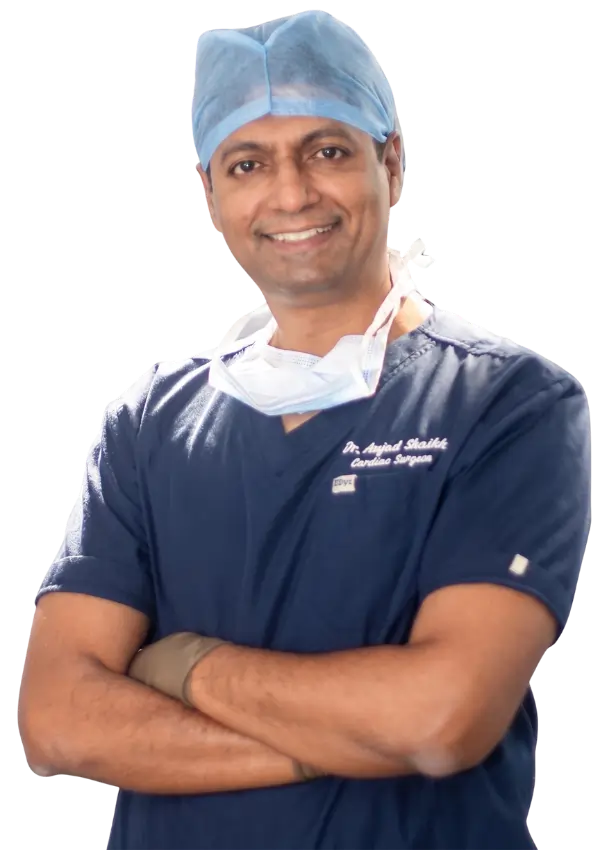
Dr. Amjad Shaikh reviews, corrects and approves every article published in his name. Read our editorial policy
Cardiovascular & Thoracic Surgeon
M.Ch (CVTS), M.S., FMAS (Fellowship in Minimal Access Surgery), MBBS
Dr. Amjad Shaikh is an experienced cardiac surgeon in Mumbai with over 15 years of experience, specialising in heart bypass surgery, beating-heart CABG, valve repair and replacement, minimally invasive cardiac surgery, and heart transplants. He has been involved in 5,000+ cardiac surgical cases, including complex, high-risk cases.